
Is Hair Transplant in Turkey Safe? A Complete 2025 Safety Guide
Is hair transplant in Turkey safe? Get the facts on JCI hospitals, surgeon standards, risks, and what to look for. Unbiased 2025 guide by Dollhouz.
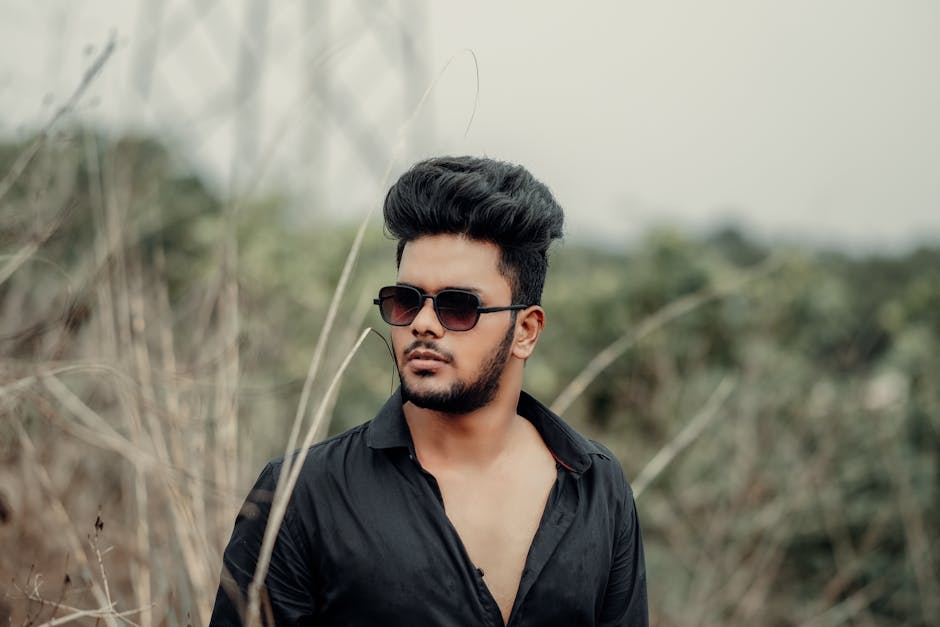
You have seen the before-and-after photos. You have done the maths and realised that a hair transplant in Istanbul costs a fraction of what the same procedure runs in London, Toronto, or Sydney. But one question keeps stopping you in your tracks: is hair transplant in Turkey actually safe?
It is a fair question — and the honest answer is: it depends entirely on which clinic you choose. Turkey is home to world-class, internationally accredited surgical facilities operating to the same standards as hospitals in the United States and United Kingdom. It is also home to budget clinics where unsupervised technicians perform the majority of the procedure. The safety gap between those two ends of the market is significant, and knowing how to tell them apart could be the most important research you do. Book Your Free Consultation with Dollhouz to ask your questions directly before committing to anything.
Content Standards: Turkish Society of Plastic, Reconstructive and Aesthetic Surgeons (TSPRAS) (https://turkplasticsurgery.org) | Content produced by the Dollhouz Editorial Team and aligned with clinical standards set by the Turkish Society of Plastic, Reconstructive and Aesthetic Surgeons (TSPRAS) and the International Society of Aesthetic Plastic Surgery (ISAPS).
Why Turkey Has Become the World's Leading Destination for Hair Transplants
Turkey did not become the dominant global force in hair restoration by accident. The country has invested heavily in private healthcare infrastructure over the past two decades, training large numbers of surgeons to international standards and developing dedicated medical tourism ecosystems in Istanbul and Ankara. The results speak for themselves in the data.
Turkey welcomed approximately 1.5 million health tourists in 2024, generating an estimated $3 billion in medical tourism revenue — with hair transplantation consistently ranking among the top three procedures sought by international patients.
Source: Turkey Health Tourism Statistics 2024 — Turkey's health tourism market scale and revenue figures.
According to the ISAPS 2024 Global Survey, Turkey ranks among the top destinations globally for aesthetic procedures, with costs averaging 60–70% lower than Western Europe and North America. That cost advantage, combined with a growing base of experienced surgeons, has created a self-reinforcing cycle of expertise and investment.
The challenge for patients is that this same popularity has also attracted lower-quality operators looking to capture market share through aggressive price-cutting rather than clinical excellence.
The Real Safety Divide: Accredited Hospitals vs Unregulated Clinics
When people ask whether hair transplants in Turkey are safe, they are usually conflating two very different types of facility. Understanding the difference is essential.
What is JCI accreditation and why does it matter?
JCI — the Joint Commission International — is the international arm of the body that accredits hospitals in the United States and Canada. A JCI-accredited hospital in Istanbul is held to the exact same governance, infection control, surgical safety, and patient rights standards as a hospital in New York or Toronto. Accreditation is not a marketing badge; it requires rigorous on-site inspections and ongoing compliance monitoring.
Source: Joint Commission International (JCI) — international hospital accreditation standards applied globally.
Dollhouz performs all surgical procedures exclusively at JCI-accredited hospitals. This means the operating environment, sterilisation protocols, anaesthesia safety standards, and post-operative nursing care all meet internationally verified benchmarks — not just local Turkish regulations.
The Technician Problem: A Known Risk in Lower-Cost Clinics
One of the most widely reported concerns about budget hair transplant clinics in Turkey is the practice of having unqualified or minimally trained technicians perform the majority of the graft extraction and implantation work, with a licensed surgeon present only nominally — or sometimes not at all during the procedure itself.
This is not a myth. It is a documented practice that affects graft survival rates, scar patterns, and the naturalness of the hairline design. When technicians — rather than surgeons — make decisions about extraction angles, channel depth, and implantation density, the margin for error increases substantially.
At Dollhouz, licensed surgeons perform the extraction and implantation. This is a non-negotiable standard, not an optional upgrade.
What Technique Is Actually Being Used? Sapphire FUE vs Conventional Steel FUE
Not all FUE (Follicular Unit Extraction) procedures are the same. The tools used to create recipient channels in your scalp affect healing speed, scarring, and graft survival rates in measurable ways.
What is the difference between Sapphire FUE and conventional steel FUE?
Conventional steel FUE uses circular punches to extract follicles and standard steel blades or needles to create the recipient sites in the scalp. Sapphire FUE replaces those steel blades with tips made from laboratory-grown sapphire crystal. The key practical differences are narrower, more precise micro-channels, a smoother blade surface that reduces tissue trauma, faster healing with less crust formation, and lower risk of visible scarring at the recipient sites.
DHI (Direct Hair Implantation) goes a step further by combining extraction and implantation into a single motion using a Choi implanter pen, which eliminates the need for pre-made channels entirely and maximises graft viability by reducing the time follicles spend outside the scalp.
| Feature | Conventional Steel FUE | Sapphire FUE | DHI (Choi Pen) |
|---|---|---|---|
| Channel precision | Moderate | High | Very high |
| Tissue trauma | Higher | Lower | Lowest |
| Healing speed | Standard | Faster | Fastest |
| Scarring risk | Moderate | Low | Very low |
| Graft survival | Variable | High | Very high |
| Best suited for | Basic cases | Most patients | High-density or frontal cases |
Dollhouz uses Sapphire FUE as standard, with DHI available as an option — both performed under direct surgeon supervision, with PRP (platelet-rich plasma) treatment included in every package to support follicle survival post-implantation.
Turkey vs UK and Canada: Cost, Safety, and What You Actually Get
For patients in the UK, Canada, and Australia, the cost comparison is dramatic — but the question is always whether lower cost means lower safety. When you are comparing like-for-like (JCI-accredited facility, licensed surgeon, proven technique), the answer is no. The savings come from lower operational costs and labour costs in Turkey, not from cutting corners on clinical standards.
| Cost Component | Turkey (Dollhouz) | UK (Private) | Canada (Private) |
|---|---|---|---|
| Procedure (Sapphire FUE) | From $1,800 USD | £5,000–£9,000 | CAD $8,000–$15,000 |
| Hotel accommodation | Included (5-star) | N/A (home) | N/A (home) |
| Post-op nursing | Included (hotel room visits) | Billed separately | Billed separately |
| 12-month aftercare | Included (remote) | Often additional fee | Often additional fee |
| PRP treatment | Included | £300–£600 extra | CAD $400–$800 extra |
| Return flights (estimate) | $400–$900 USD | — | — |
| Estimated total | ~$2,200–$2,700 USD | ~$7,000–$12,000 USD equiv. | ~$6,500–$12,000 USD equiv. |
Pricing figures cited in this article are based on Dollhouz aggregate data from patient consultations and publicly available clinic tariffs. According to the ISAPS 2024 Global Survey, Turkey ranks among the top destinations globally for aesthetic procedures, with costs averaging 60–70% lower than Western Europe and North America. All figures are indicative and subject to change based on exchange rates, procedure complexity, and clinic selection. Request a personalised quote for accurate pricing.

UK patients on NHS waiting lists for dermatology consultations that could inform hair loss treatment plans often face 12–18 month delays. Private BUPA cover rarely extends to hair transplantation. For many patients, travelling to Istanbul for a weekend is both faster and dramatically more affordable than pursuing the domestic private route. The same logic applies for Canadian patients, where provincial health plans like OHIP do not cover cosmetic procedures, and for Australian patients whose Medicare entitlements exclude elective aesthetic surgery.
If you are ready to explore your options, Get Your Personalised Quote from the Dollhouz team — no obligation, no pressure.
Risks and Considerations
Balanced information is essential for any medical decision. Hair transplantation is a safe procedure when performed correctly, but it carries real risks and real limitations that every patient should understand before booking.
- Graft survival is not guaranteed at 100%: Even under optimal conditions, a proportion of transplanted follicles may not survive the shock of relocation. At Dollhouz, a 95%+ graft survival rate is the published metric — but patients should have realistic expectations and discuss expected yield during their consultation.
- Initial shedding is normal and alarming: Between weeks 2 and 6 post-procedure, transplanted hairs typically shed. This is called shock loss and is a completely normal part of the follicle cycle. New growth begins from month 4; full density is visible at 12 months. Patients who are not prepared for this phase frequently panic unnecessarily — your care coordinator should explain this clearly in advance.
- Difficulty seeking remedy from a foreign clinic post-return: If a complication arises after you have returned home, resolving it remotely is more complex than with a local provider. This is why 12-month remote aftercare with video consultation access is a substantive — not cosmetic — feature of a quality package.
- Choosing the wrong clinic carries real risk: Infection, visible scarring, unnatural hairlines, and patchy results are documented outcomes of procedures performed by undertrained technicians in non-accredited facilities. JCI accreditation is your primary filter for eliminating this risk category.
- Inform your local GP: Patients should bring their English-language discharge summary home and share it with their GP. Local practitioners can handle routine follow-up, monitoring for signs of infection or unusual healing, and ongoing hair loss management. This is a common patient concern — the answer is that your home-country doctor can and should be involved in your aftercare alongside the remote Dollhouz team.
- Donor density limitations: A hair transplant moves existing follicles from a donor zone (typically the back and sides of the scalp) to thinning areas. If donor density is insufficient, the number of grafts that can safely be harvested is limited. A pre-procedure 3D analysis and honest assessment from your surgeon is essential — be wary of any clinic that promises unlimited grafts without examining your scalp.
- Ongoing hair loss is not stopped by a transplant: The transplanted follicles are genetically resistant to DHT (the hormone driving most male pattern baldness). However, native follicles in the recipient area may continue to thin over time, potentially requiring further treatment. A comprehensive hair loss plan — which may include medication like finasteride or minoxidil alongside surgery — should be discussed.
What the Dollhouz Hair Transplant Package Actually Includes
Understanding exactly what is included in a package removes the fear of hidden costs and unexpected experiences on arrival. Every Dollhouz hair transplant package includes the following as standard:
- Sapphire FUE or DHI procedure performed by a licensed surgeon (not delegated to technicians)
- PRP (platelet-rich plasma) treatment to support follicle survival — not charged as an extra
- Custom hairline design with patient consultation and approval before any procedure begins
- 3D scalp analysis and digital planning
- Medical shampoo and full aftercare kit
- VIP airport pickup and private chauffeur throughout the stay
- 5-star hotel accommodation
- Hotel room nurse check-ups post-procedure (no travel to clinic for routine checks)
- English-speaking care coordinators available 24/7 during the stay
- 12 months remote aftercare including video consultations and progress monitoring
- English-language discharge summary for your home-country GP
- JCI-accredited hospital for all surgical elements
- Free online consultation before booking
The 3-day Istanbul stay is all that is required post-procedure. Most patients fly in, have the procedure, rest for two days at the hotel with nursing support on-call, and fly home confident in what comes next.
"I had been putting it off for three years because I was nervous about going abroad for something medical. My coordinator answered every question I had before I even booked, walked me through exactly what would happen each day, and the surgeon actually sat with me for 45 minutes designing my hairline before touching anything. I am eight months post-op now and the growth is beyond what I expected."
— Patient from Canada (name withheld on request) | Hair Transplant (Sapphire FUE), Istanbul
Want to see real patient results before deciding? Follow Dollhouz on Instagram — we post real patient journeys and results every day.

Frequently Asked Questions
Is hair transplant surgery in Turkey regulated?
Yes. Hair transplant surgery in Turkey is regulated by the Turkish Ministry of Health, which sets licensing requirements for surgical facilities and practitioners. JCI-accredited hospitals operate under an additional layer of international oversight equivalent to US and UK hospital standards.
How do I know if a Turkish hair transplant clinic is legitimate?
The primary verification steps are to confirm JCI accreditation for the hospital, verify that a licensed surgeon (not technicians) will perform the procedure, request before-and-after evidence from real patients, and check that aftercare — not just the surgery — is included in the package.
What is the recovery time for a hair transplant in Istanbul?
Most patients stay 3 days in Istanbul after the procedure. Initial redness and scabbing resolve within 7–10 days. The transplanted hairs typically shed between weeks 2 and 6 (this is normal), and new growth becomes visible from month 4, with full density achieved at 12 months.
Will I need to return to Istanbul for follow-up appointments?
No. Dollhouz provides 12 months of remote aftercare via video consultation and messaging, so routine progress monitoring and any questions are handled without requiring a second trip. Your English-language discharge summary allows your home-country GP to support local follow-up as needed.
Is it safe to fly after a hair transplant?
Yes. Most patients fly home 2–3 days after the procedure without issue. The Dollhouz team advises on optimal timing based on individual healing progress before departure, and the discharge summary documents your medical status clearly for any airline or travel insurance queries.
What graft survival rate should I expect from a Turkish hair transplant?
Graft survival rates vary significantly by clinic and technique. Dollhouz publishes a 95%+ graft survival rate using Sapphire FUE with doctor-performed extraction and implantation. Lower-quality clinics that delegate to technicians typically see lower survival rates, which is one of the primary drivers of patchy or unsatisfactory results.
Does the hair transplant include PRP treatment at Dollhouz?
Yes. PRP (platelet-rich plasma) treatment is included as standard in the Dollhouz hair transplant package, not charged as an optional extra. PRP involves injecting concentrated growth factors from your own blood into the scalp to support follicle survival and accelerate healing.
Can women get a hair transplant in Istanbul?
Yes. Hair transplantation is an effective treatment for female androgenetic alopecia and traction alopecia, provided there is sufficient donor density in the back and sides of the scalp. A pre-procedure scalp analysis is essential to assess candidacy, and Dollhouz offers free online consultations to discuss suitability before any commitment is made.
Medical Disclaimer: This article is for informational purposes only and does not constitute medical advice. Always consult a qualified medical professional before undergoing any surgical procedure.
Hair transplantation in Turkey is safe — when you choose correctly. JCI-accredited hospitals, licensed surgeons performing the procedure personally, proven techniques like Sapphire FUE and DHI, and genuine 12-month aftercare are not optional extras. They are the baseline standard that separates a genuinely safe experience from a gamble. Dollhouz is built around that baseline. Start Your Journey Today with a free online consultation — no obligation, no pressure, just straight answers.
Related Procedures
Last reviewed: May 2026 by the Dollhouz Editorial Team.


Subscribe to our weekly newsletter
Lorem ipsum dolor sit amet consectetur consequat aliquam sit eget sed tortor tempor eget varius massa.
Related posts

Trusted global provider of luxury cosmetic surgery and medical tourism, based in Istanbul with care that starts before you land.