Is Dental Work in Turkey Safe? What Patients Need to Know Before Booking
Is dental work in Turkey really safe? We break down accreditation, risks, costs, and what to look for — so you can make an informed decision.
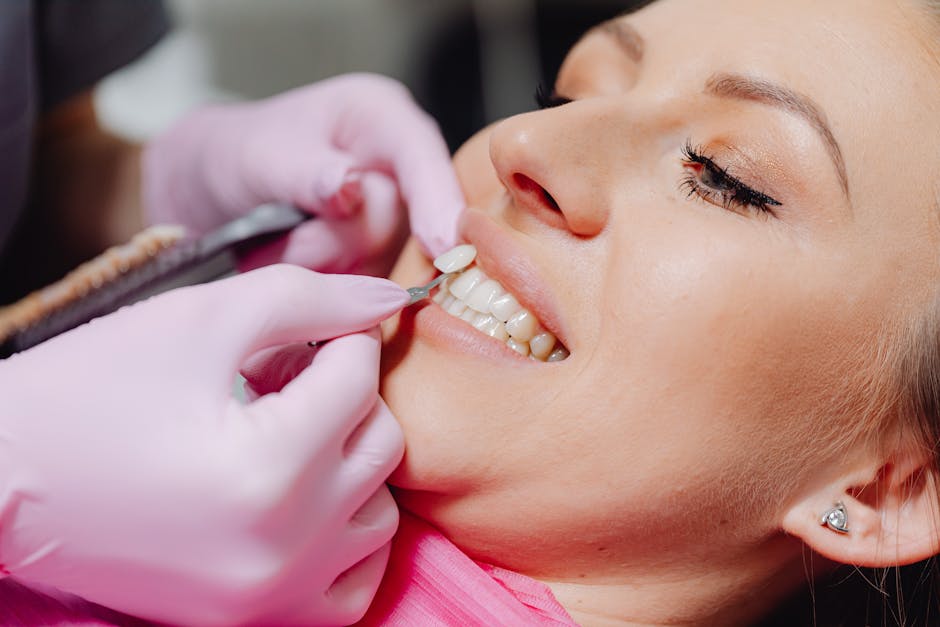
Here is what no one tells you when you search "dental veneers Turkey": the quality gap between the best and worst clinics in Istanbul is enormous — and price alone will not protect you. Every year, a growing number of patients from the UK, US, Canada, and Australia travel to Turkey for dental treatment and return delighted. A smaller number return with poorly fitted veneers, mismatched shades, or work that needs to be redone at home. The difference almost always comes down to one thing: how carefully they chose their clinic before booking.
This guide is not a promotional piece. It is an honest breakdown of what makes dental tourism in Turkey safe, what makes it risky, and the exact questions you need to ask before you commit. If you are considering dental veneers in Istanbul or any other cosmetic dental procedure abroad, read this first.
Ready to ask the right questions directly? Book Your Free Consultation with the Dollhouz team — zero pressure, just straight answers.
Turkish Society of Plastic, Reconstructive and Aesthetic Surgeons (TSPRAS) | Content produced by the Dollhouz Editorial Team and aligned with clinical standards set by the Turkish Society of Plastic, Reconstructive and Aesthetic Surgeons (TSPRAS) and the International Society of Aesthetic Plastic Surgery (ISAPS).
Why Are So Many Patients Choosing Turkey for Dental Treatment?
Turkey welcomed 1.5 million health tourists in 2024, generating approximately $3 billion in healthcare tourism revenue — and dental treatment represents one of the fastest-growing segments of that market.
Source: Turkey Health Tourism Statistics 2024 — Turkey's health tourism scale and economic contribution.
The primary driver is cost. In the United States, a single porcelain veneer typically costs between $1,500 and $2,500 — and dental insurance plans rarely cover cosmetic procedures, with most annual caps sitting at around $1,500 for all dental work combined.
Source: ADA Health Policy Institute — US dental cost benchmarks and insurance coverage limitations.
In Turkey, the same E-Max lithium disilicate veneer — widely considered the gold standard for anterior cosmetic dentistry — costs from $180 per tooth at a reputable clinic. A full smile makeover of 10 veneers that would cost $15,000–$25,000 in the US costs $1,800–$3,500 in Istanbul, including your hotel and transfers when booked through an all-inclusive coordinator like Dollhouz.
Cost alone, however, is not a safety argument. So let us address the safety question directly.
Is Dental Work in Turkey Actually Safe? The Honest Answer
The honest answer is: yes, when you choose the right clinic — and no, when you do not.
Turkey has a rigorous national dental licensing framework. All practicing dentists must be registered with the Turkish Dental Association (TDA), which sets educational standards, monitors practitioner conduct, and oversees clinical quality across the country.
Source: Turkish Dental Association (TDA) — official licensing body for dentists in Turkey, practitioner credentials and standards.
Istanbul's leading dental clinics operate in facilities that meet — and in some cases exceed — the standards patients experience in private clinics in London, New York, or Sydney. The risk is not Turkey as a country. The risk is choosing a clinic based purely on the lowest quote you find on a comparison website, without verifying credentials, materials, or technology.
What is the difference between a Turkish dental clinic and a Turkish dental tourist trap?
A credible clinic will use internationally certified materials (such as Ivoclar E-Max lithium disilicate), employ licensed dentists with verifiable credentials, provide a Digital Smile Design (DSD) preview before any tooth preparation, and give you a full written treatment plan before you pay. A problematic clinic will offer rock-bottom prices, pressure you into rapid decisions, use composite or unlabelled materials, and have no structured aftercare plan once you return home. The price difference between these two types of clinic is often smaller than patients expect — which is why due diligence matters far more than chasing the cheapest quote.
Types of Dental Veneers: E-Max, Feldspathic, and Zirconia
Understanding which type of veneer is being offered is one of the most important safety and quality checks you can make. Not all veneers are equal, and clinics that do not volunteer this information should raise a flag.
Dental Veneer Types Comparison: E-Max vs Feldspathic vs ZirconiaVeneer TypeMaterialBest ForTypical Cost (Turkey)E-Max (Lithium Disilicate)Pressed ceramic — translucent, natural-lookingFront teeth, full smile makeovers — gold standard for aestheticsFrom $180 per toothFeldspathic PorcelainLayered porcelain — thinnest prep possibleMinimal-prep cases, extremely natural result — more fragileFrom $200 per toothZirconiaZirconium oxide — strongest availableBack teeth, bruxism (teeth grinding) patients — slightly less translucentFrom $200–$220 per tooth
At Dollhouz, dental veneers in Istanbul are provided exclusively using E-Max lithium disilicate for anterior (front) cases — the same material used in leading private dental practices in the UK and US. No composite, no unlabelled ceramics.
Pricing figures cited in this article are based on Dollhouz aggregate data from patient consultations and publicly available clinic tariffs. According to the ISAPS 2024 Global Survey, Turkey ranks among the top destinations globally for aesthetic procedures, with costs averaging 60–70% lower than Western Europe and North America. All figures are indicative and subject to change based on exchange rates, procedure complexity, and clinic selection. Request a personalised quote for accurate pricing.
The Real Cost of Dental Veneers: Turkey vs UK, US, Canada, and Australia
Even when you include the cost of flights and accommodation, dental treatment in Turkey typically costs significantly less than the equivalent private treatment at home. The table below is based on a representative case of 10 E-Max veneers — a common full smile makeover.
Total Cost Comparison: 10 E-Max Veneers — Turkey vs Home Country (All-In Estimate)Cost ElementTurkey (Dollhouz Package)UK (Private)USA (Private)Australia (Private)10 E-Max VeneersFrom $1,800~£12,000–£18,000~$15,000–$25,000~AUD $20,000–$30,0005-Star Hotel (5 nights)Included in packageNot applicableNot applicableNot applicableVIP TransfersIncluded in packageNot applicableNot applicableNot applicableReturn Flights (estimate)$400–$900£300–£600$800–$1,200AUD $1,200–$2,000Estimated Total~$2,200–$2,700~£12,300–£18,600~$15,800–$26,200~AUD $21,200–$32,000
Even at the most conservative estimates, patients save between 70% and 85% on the total cost of treatment — with flights and hotel already factored in. For UK patients frustrated by long NHS waiting lists or prohibitive BUPA private fees, and for US patients whose dental insurance covers none of this, the financial case is compelling.
What the Dollhouz Dental Package Actually Includes
Every Dollhouz dental package includes a structured 5-day treatment timeline designed so international patients complete the full veneer process — from consultation to final fitting — in a single trip. There is no need to return to Istanbul for a second visit.
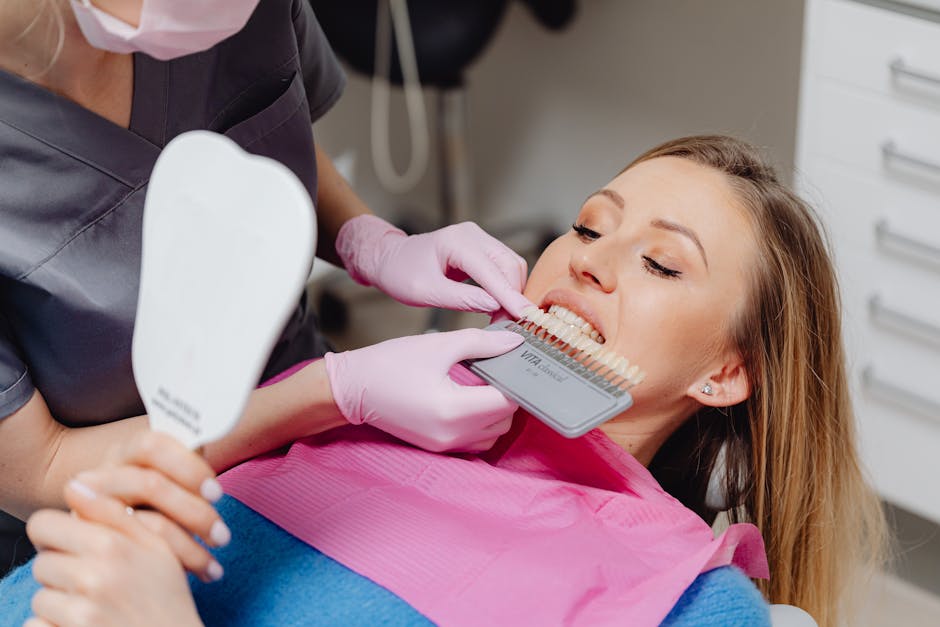
- Shade selection consultation using the Vita shade guide — no one-size-fits-all "Hollywood white" imposed on every patient
- Temporary veneers fitted during the fabrication period so you are never left without aesthetics
- Dental hygiene treatment pre-procedure
- E-Max lithium disilicate veneers exclusively — no composite or zirconia substitutions for anterior cases
- Minimal prep technique — conservative enamel removal to preserve as much natural tooth structure as possible
- VIP airport pickup and private chauffeur throughout your stay
- 5-star hotel accommodation
- English-speaking care coordinators available throughout
- 12 months remote aftercare — video consultations and messaging with the Dollhouz dental coordinator
- English-language discharge summary provided for your home-country dentist
The 12-month remote aftercare and the English-language discharge summary directly address one of the most common patient concerns: "What happens if something goes wrong when I get home?" Your local dentist can handle routine maintenance — they simply need the treatment record, which Dollhouz provides as standard.
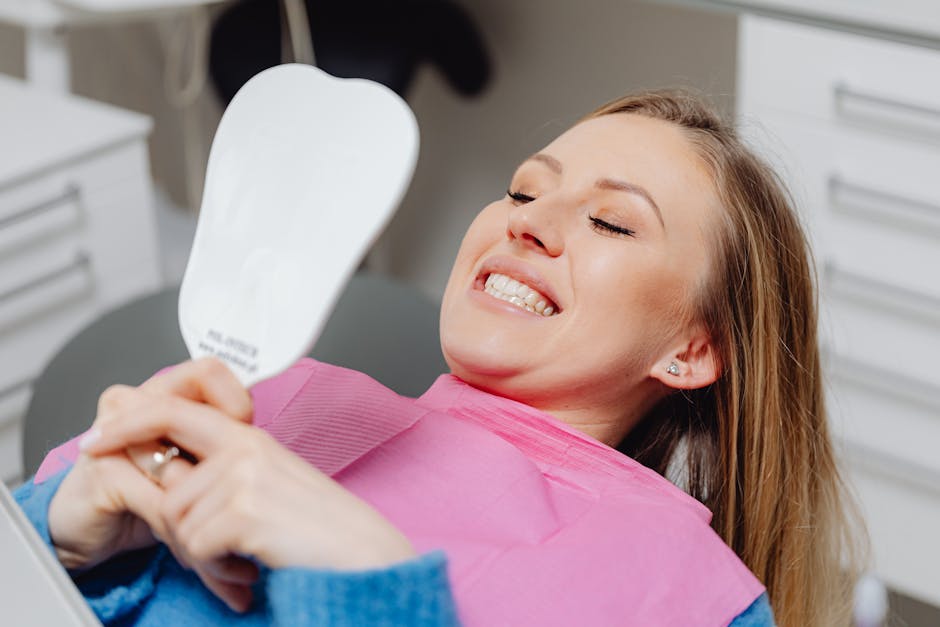
Get Your Personalised Quote — free online consultation, no commitment required.
Risks and Considerations
Balanced information builds trust, and trust is what this decision requires. Here are the genuine risks and limitations of dental tourism, along with how to manage them responsibly.
Tooth preparation is irreversible
Veneers require the removal of a thin layer of natural enamel. This is a permanent change to your teeth. Once prepared, the teeth will always require a veneer or crown for protection. This is why the Digital Smile Design preview and thorough pre-treatment consultation matter so much — you need to be certain before preparation begins.
Seeking remedy from a foreign clinic post-return
If you experience a problem after returning home, you cannot walk back into the Istanbul clinic easily. This is a genuine limitation of dental tourism. The mitigation is choosing a clinic that provides structured remote aftercare — Dollhouz offers 12 months of video and messaging support — and ensuring your discharge documentation allows your local dentist to assess and address any concerns.
Choosing a JCI-accredited or TDA-registered facility
Not every clinic in Istanbul operates to the same standard. The safest approach is to verify that the hospital or clinic is registered with the Turkish Dental Association and, for surgical procedures, that the facility is accredited by the Joint Commission International.
Source: Joint Commission International (JCI) — international hospital accreditation standards, the same body that certifies facilities in North America and Europe.
Flight pressure sensitivity post-procedure
Most patients tolerate flying after veneer fitting without issue, as the procedure does not involve surgery or extraction. However, if you have had extractions or root canal work during the same trip, your dentist should advise on an appropriate waiting period before flying. Always confirm medical clearance with your treating dentist before departure.
What remote aftercare can and cannot address
Remote aftercare via video consultation is excellent for reviewing aesthetics, answering questions, and coordinating with your local dentist. It cannot replace an in-person examination if a veneer chips, debonds, or if you develop sensitivity. Your local dentist — equipped with your Dollhouz discharge summary — is your first point of contact for any physical issue that arises after you return home. Inform your local dentist of your treatment as soon as you return so they have your records on file.
5 Questions to Ask Any Turkish Dental Clinic Before Booking
- What veneer material do you use? — The answer should be E-Max lithium disilicate or feldspathic porcelain for front teeth. Be cautious of vague answers or composite-only offerings.
- Do you provide Digital Smile Design before preparation? — You should see and approve your projected result before a single tooth is touched.
- Are your dentists registered with the Turkish Dental Association? — This is the minimum regulatory standard. Ask for verifiable credentials.
- What does aftercare look like once I return home? — There should be a structured, documented plan — not just a phone number.
- Will I receive an English-language treatment summary for my home dentist? — This is non-negotiable for responsible ongoing care.
"I was nervous about the whole thing — flying to Istanbul for dental work felt like a big leap. But the coordinator walked me through every step before I even booked. The DSD preview showed me exactly what my smile would look like, the hotel was genuinely beautiful, and when I got home my local dentist was impressed with the documentation they sent. I would absolutely do it again."
— Patient from the United Kingdom (name withheld on request) | E-Max Veneers, Istanbul
Frequently Asked Questions
Is dental work in Turkey regulated?
Yes. All dentists practicing in Turkey must be registered with the Turkish Dental Association (TDA), which governs licensing, educational standards, and clinical oversight across the country. Turkey also has a national health tourism framework overseen by the Turkish Ministry of Health, which licenses healthcare facilities offering services to international patients.
How long do I need to stay in Istanbul for dental veneers?
The Dollhouz dental veneer package is structured as a 5-day complete timeline. This covers your initial consultation, tooth preparation, fitting of temporary veneers, fabrication of your permanent veneers, and final fitting — all within a single trip, so you do not need to return for a second visit.
What happens if a veneer chips or comes off after I return home?
Your local dentist can assess and address a chipped or debonded veneer using the English-language discharge summary that Dollhouz provides on departure. The Dollhouz dental coordinator is also available via 12 months of remote aftercare to advise and coordinate with your home practitioner.
Are E-Max veneers from Turkey the same quality as those in the UK or USA?
E-Max lithium disilicate is the same internationally certified material regardless of where it is produced. The quality of the final veneer depends on the dental technician's skill and the clinic's fabrication standards — both of which are verifiable through the Digital Smile Design process, material certification, and clinic credentials. Dollhouz uses E-Max exclusively for anterior veneer cases and does not offer composite or unlabelled ceramic alternatives.
Can I combine dental veneers with other cosmetic procedures in the same trip?
Many patients combine dental veneers with cosmetic surgical or non-surgical procedures during a single Istanbul trip. Dollhouz coordinates all appointments and logistics through a single care coordinator, so combining a smile makeover with another procedure such as a liposuction or hair transplant in Istanbul is entirely manageable with proper scheduling.
Will my home dental insurance cover treatment received in Turkey?
Most dental insurance plans in the UK, US, Canada, and Australia do not reimburse cosmetic procedures such as veneers, regardless of where they are performed. US dental insurance annual maximums typically sit around $1,500 — covering little to none of a full veneer case domestically. This is one of the primary reasons patients seek treatment abroad, where the out-of-pocket cost is dramatically lower even without any insurance contribution.
Is it safe to fly immediately after getting veneers fitted?
Veneer fitting does not involve surgery or extraction, so most patients are medically cleared to fly within 24–48 hours of the final fitting appointment. If additional procedures such as extractions were performed during the same visit, your treating dentist will advise on an appropriate waiting period before flying.
How do I know the dental clinic I choose in Turkey is legitimate?
Verify that the treating dentist is registered with the Turkish Dental Association, ask to see the clinic's operating license, confirm which veneer material is used and request the manufacturer documentation, and check that a structured aftercare plan is included in writing before you book. An English-speaking care coordinator who manages your entire itinerary — not just the dental appointment — is a strong indicator of a professional, patient-centred operation.
Want to see real patient results before deciding? Follow Dollhouz on Instagram — we post real patient journeys and results every day.
Turkey offers genuinely world-class dental treatment at a fraction of the cost patients pay in the UK, US, Canada, and Australia. The safety of that treatment is not determined by the country — it is determined by the clinic, the materials, the dentist's credentials, and the aftercare structure. When all of those elements are in place, dental tourism in Turkey is not a risk. It is a very well-informed decision.
Medical Disclaimer: This article is for informational purposes only and does not constitute medical advice. Always consult a qualified medical professional before undergoing any surgical or dental procedure.
Start Your Journey Today — book your free online consultation with Dollhouz and get a personalised treatment plan with no obligation to proceed.
Last reviewed: May 2026 by the Dollhouz Editorial Team.
Sources and References
- Turkey Health Tourism Statistics 2024 — Turkey's health tourism scale and economic contribution.
- ADA Health Policy Institute — US dental cost benchmarks and insurance coverage limitations.
- ISAPS 2024 Global Survey — Global aesthetic procedure statistics and international cost comparisons.
- Turkish Dental Association (TDA) — Official licensing body for dentists in Turkey, practitioner credentials and standards.
- Joint Commission International (JCI) — International hospital accreditation standards.
- American Society of Plastic Surgeons (ASPS) — Peer-reviewed safety data and procedure statistics.
Last reviewed: December 2024


Subscribe to our weekly newsletter
Lorem ipsum dolor sit amet consectetur consequat aliquam sit eget sed tortor tempor eget varius massa.
Related posts
Trusted global provider of luxury cosmetic surgery and medical tourism, based in Istanbul with care that starts before you land.